
Sculpture
Isabella Rudzki (b. 1995, Germany) is an interdisciplinary artist and designer examining the human body as a display for tales and cultural discourse. She engages with themes of identity and transformation: performative sculptures that unite movement with theatrical arrangement create a tension between decorative objects and living beings.
Isabella Rudzki works between Germany and Mexico where she focuses on crafting. The artist has a Berlin Studio & Showroom that is open for visits, workshops and collaborations.

Traces of Matter
Isabella Rudzki und Sasha G Kramer, 2026, Organic Installation
Natural clay
Beneath the surface linger forgotten or erased stories, fragments point to traces of life, and the incomplete becomes holy - a relic charged with what it once was and what it may become. Human actions repeat. On the seek of an ancient truth about wholeness and meaning, absence reveals more than presence ever could: both refined objects and organic materials carry a quiet sense of eternal transcendence.
An ongoing collaboration between the interdisciplinary artists offers an intimate glimpse into a world both familiar and timeless. In their dialogue, Isabella Rudzki and Sasha G Kramer transform matter into ritual. Natural raw mass mimics growth, its heaviness grounds. Pieces of jewelry speak on behalf of the bodies they once held.
___________________________
The project began in December 2025, when the two artists spent two weeks in Rudzki’s family home in Zankenhausen, Bavaria. The artists took an intuitive approach to the material, harvesting local clay and beginning physical fabrication before turning to formal research, allowing direct action to guide their investigation.
Clay Field
Material: Natural clay
Composition: 60% Fine silt and clay body, 35% Quartz sand aggregate, 5% Iron and mineral oxides
Weight: 600 kg
Volume: 400l
Dimension: 24 sqm
Origin: Zankenhausen, Bavaria
Number of people involved: 24
All photos have been taken by Erick Montefort during the first presentation of the installation at Positions Berlin Art Fair 2026.


DOCUMENTATION
Text by Isabella Rudzki and Sasha G Kramer
Within the first meter below ground in Zankenhausen, the soil consists of shallow loamy clay, formed by Alpine glacier meltwater and surface weathering. Unrefined in its natural state, this iron-rich material is filled with fine silt, grit, and small glacial pebbles – historically used for structural rural applications across Upper Bavaria.
The clay of Zankenhausen was the first material Isabella Rudzki ever sculpted with. At three years old, she discovered it alongside her siblings in the garden of the rural village where her father had grown up. They instinctively played with it, shaping small objects like tiny cups and figures resembling mummies wrapped in toilet paper. This foundational experience took place before the digital age, in a setting where natural resources were the only accessible items to play with and felt deeply inviting.
In December 2025, when Rudzki and Kramer traveled to Bavaria with the intention of creating a body of work together, clay had only been a brief point of discussion beforehand. Rudzki’s family home overlooks an agricultural field. This December brought grey, foggy, and cold weather. Dark brown earth met a flat whitish sky, with fog hanging low until midday. Upon arrival, this stark contrast created a natural setting for labor and performance.
The ground, damp and slightly frozen, became the primary spot for experimentation. Removing all items of clothing including shoes, we stepped into the earth instinctively. Met with the harsh reality of the winter conditions, the act of labor through performance became so raw and real. The actions performed were results of real bodily reactions to cold and discomfort, yet simultaneously experiencing satisfaction from performing ancient labor rituals.
When we left Bavaria that December, we had the feeling the work we had done was only the beginning, and that the possibilities were endless.
In August 2026, we revisited the site. This time the earth was dry, hot and crumbling - the result of a drought. The premise of the trip this time was entirely focused on gathering clay.
Using the antique tools that were found in the family’s shed, we began hacking away at the soil, revealing clay. The hole we dug became the center of our ongoing performance, during which we wore simple cotton drapes. By adding water and modeling the clay walls, we turned the hole into a vessel and allowed it to dry. On the last day of our stay, we lit a small fire inside to burn the “workwear” we no longer needed. A few clay forms we had sculpted beforehand ended up in the embers. When we returned after an hour or two, they had turned red and grey, obviously fired into our first ceramics.
By the end of the trip, we had gathered over 600 kilograms of dry clay to take back to our Berlin studio, where we set out to create an indoor field alongside a group of friends.
Many thanks to all the people who supported us, and to the ones that came for a visit! If you like to get in personal touch and find out more about the project, you can contact us here.
 Photo by Zoé Schröter, 2026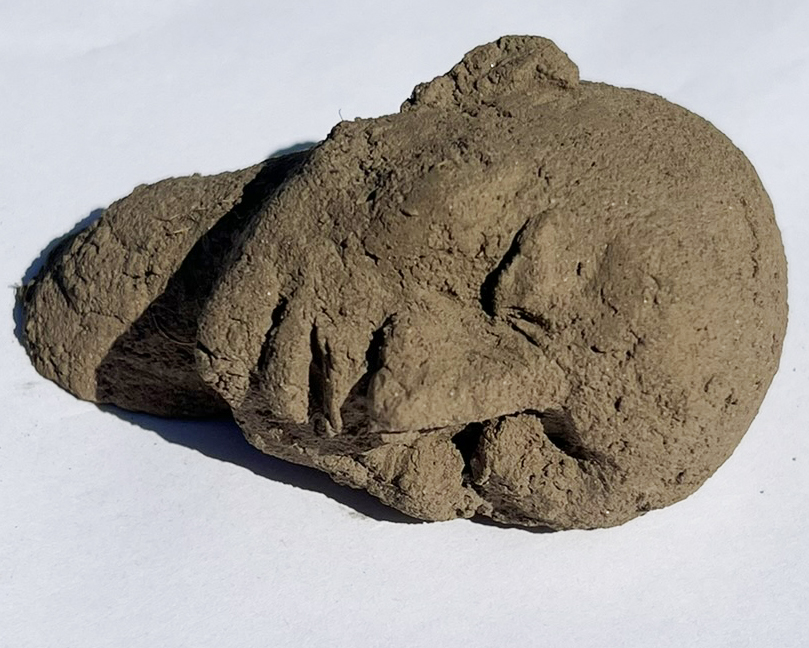
Sleeping I, 2025
90mm x 70mm x 60mm
Natural clay and ash
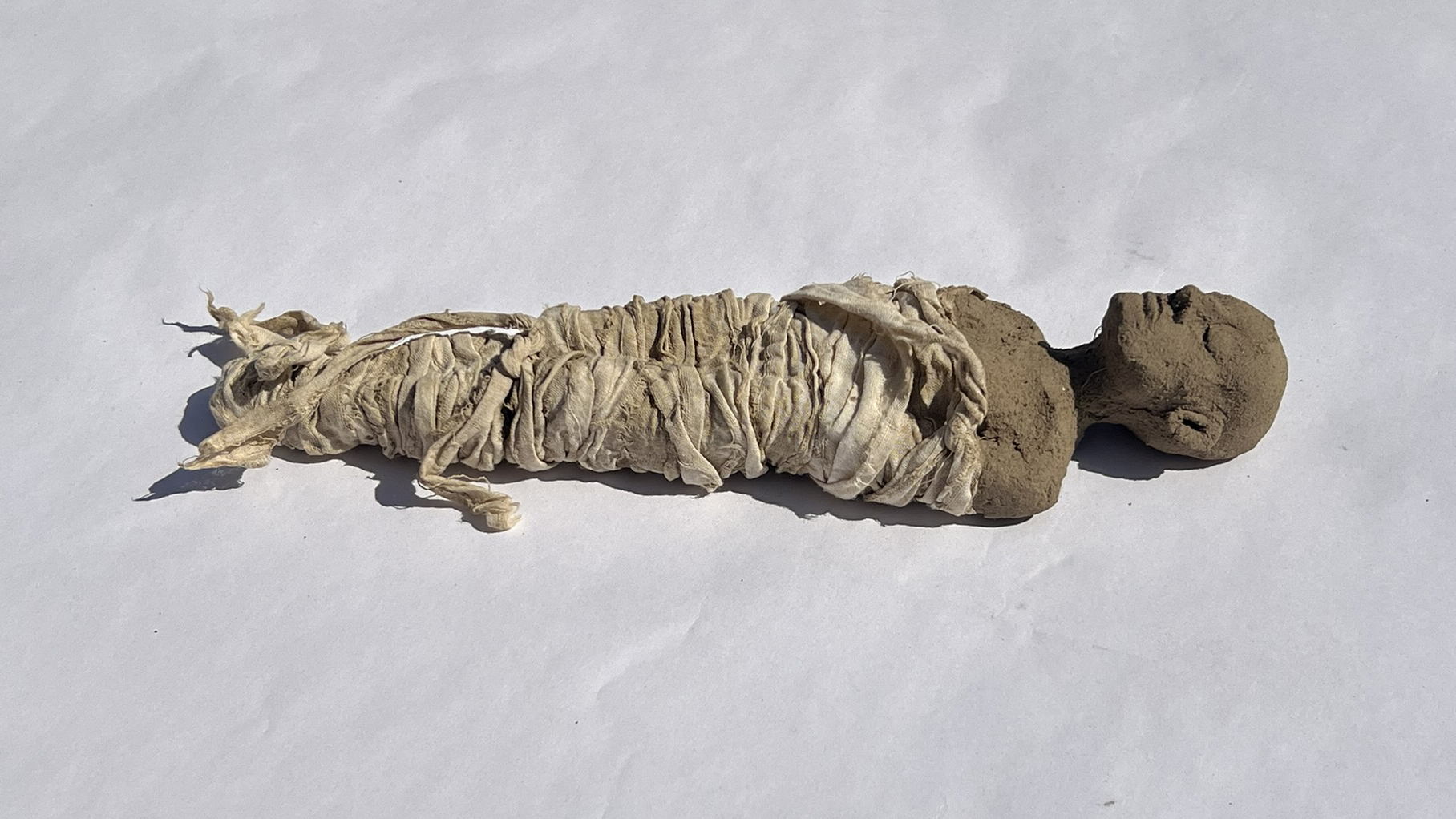 Sleeping II, 2025
 180mm x 50mm x 40mm
Natural clay, ash, cotton


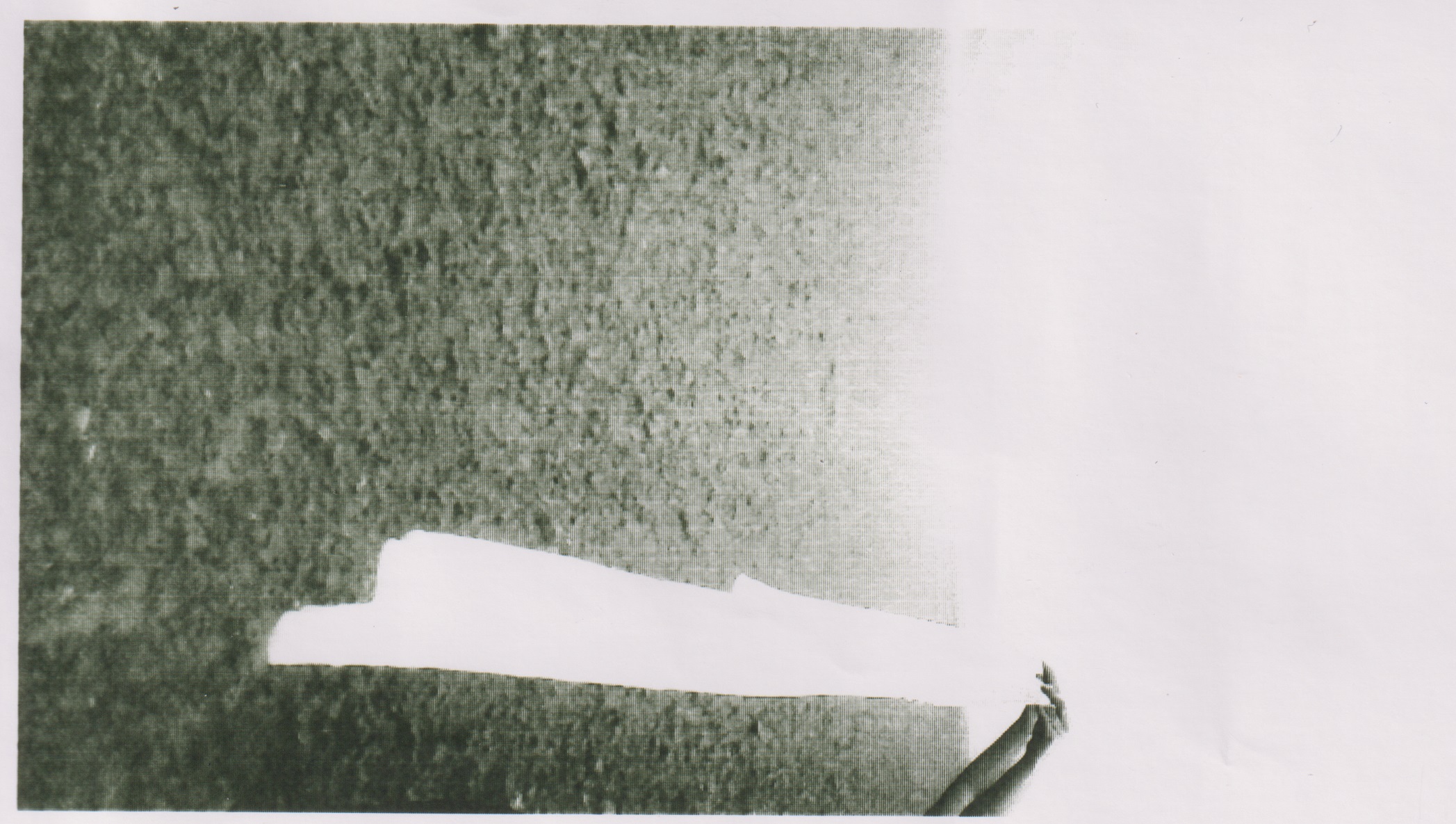
Analog photos
Tender Relics
Isabella Rudzki & Sasha G Kramer, 2025
Tender Relics, the urge to feel something anciently true, revealing secrets; Forgotten or erased stories, fragments that once held the trace of a body; What remains, though broken and incomplete, becomes holy. Actions repeat: what makes us whole and what gives us purpose? Here, remnants become evidence.
Relics that hold memories take on a powerful presence. Within this, themes of true identity, labor, and careful observation emerge. These forms operate as vessels for what has been held softly—touch, work, inheritance—carrying the remnants of gestures passed across generations. It becomes an excavation site of devotion, a reminder of the bodies and histories that shaped it, and of what, once unearthed, will begin again. What emerges is a landscape of intimacies — delicate yet concrete. Familiarity becomes sacred, and relics become foundations.
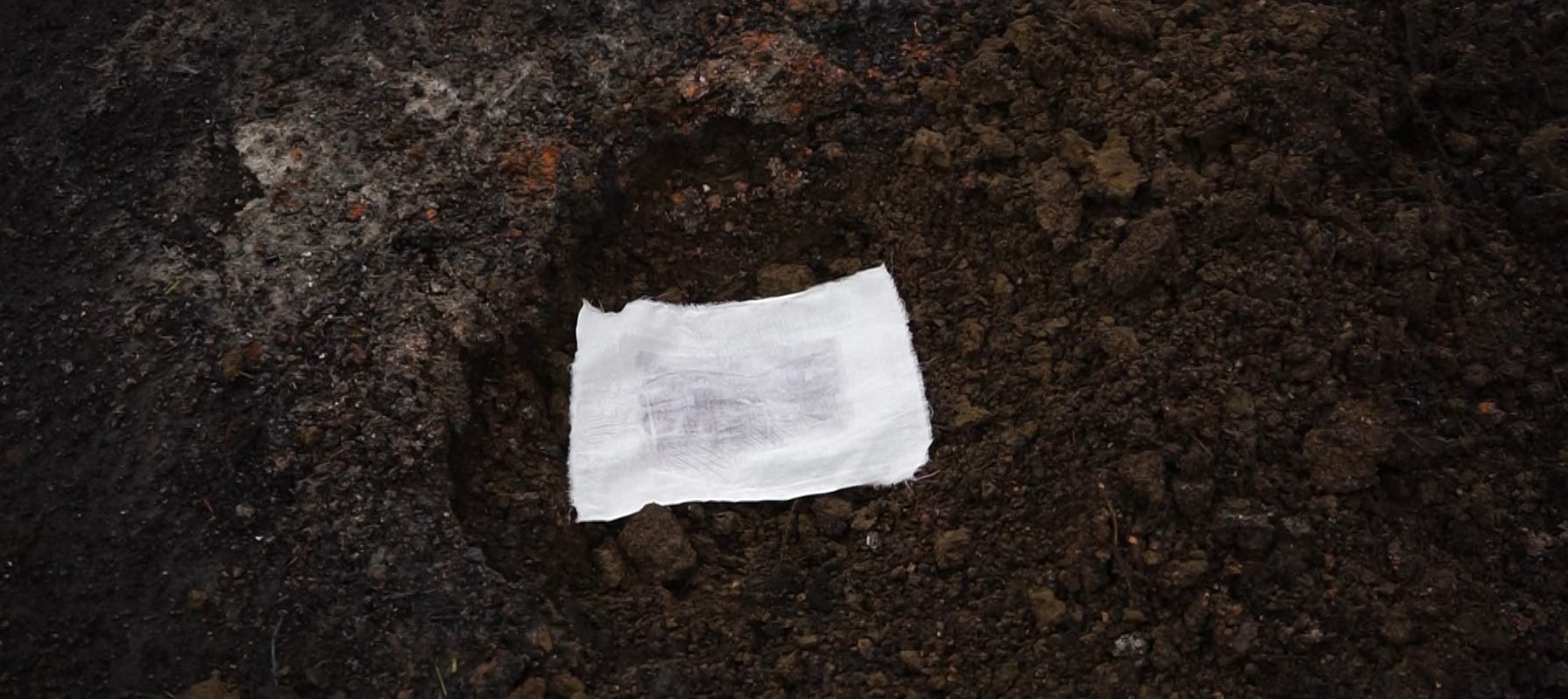
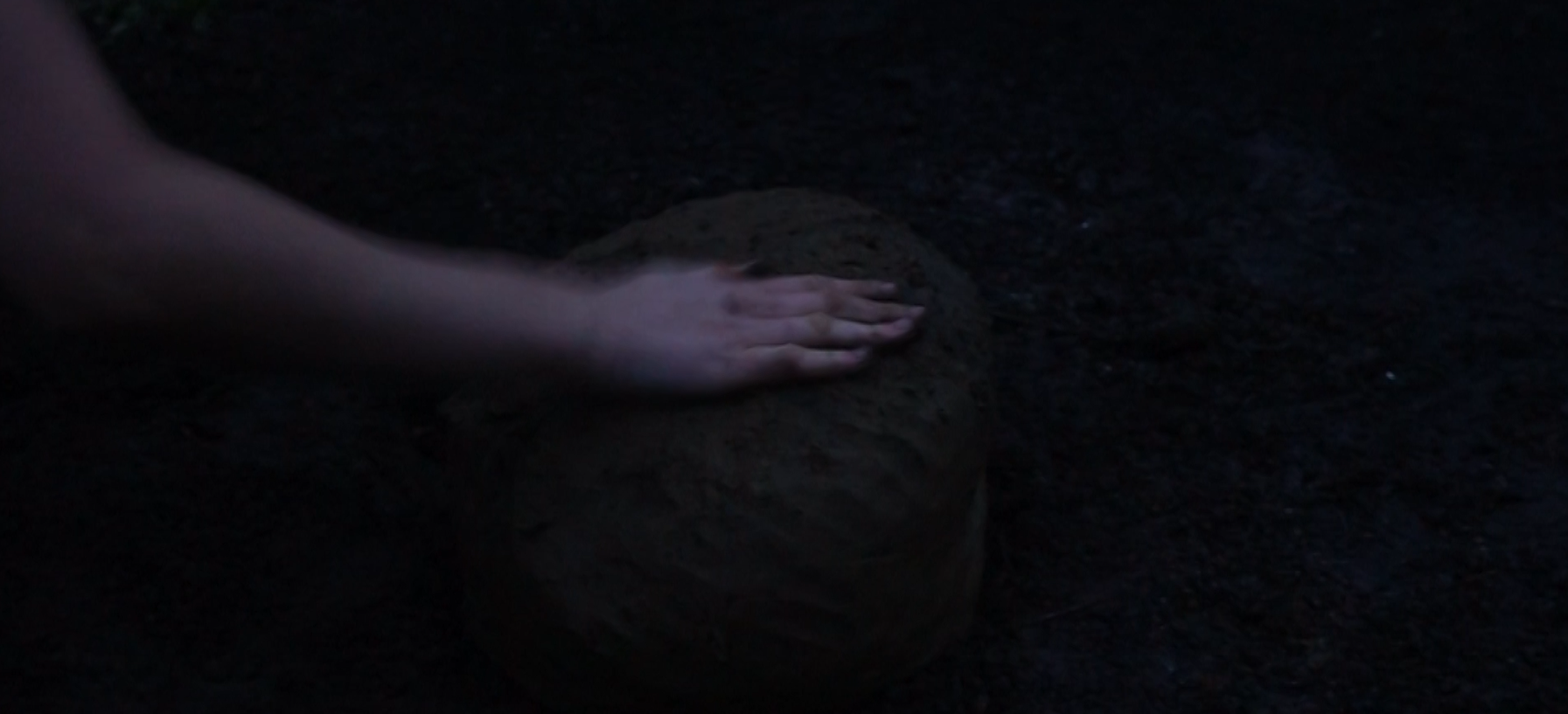
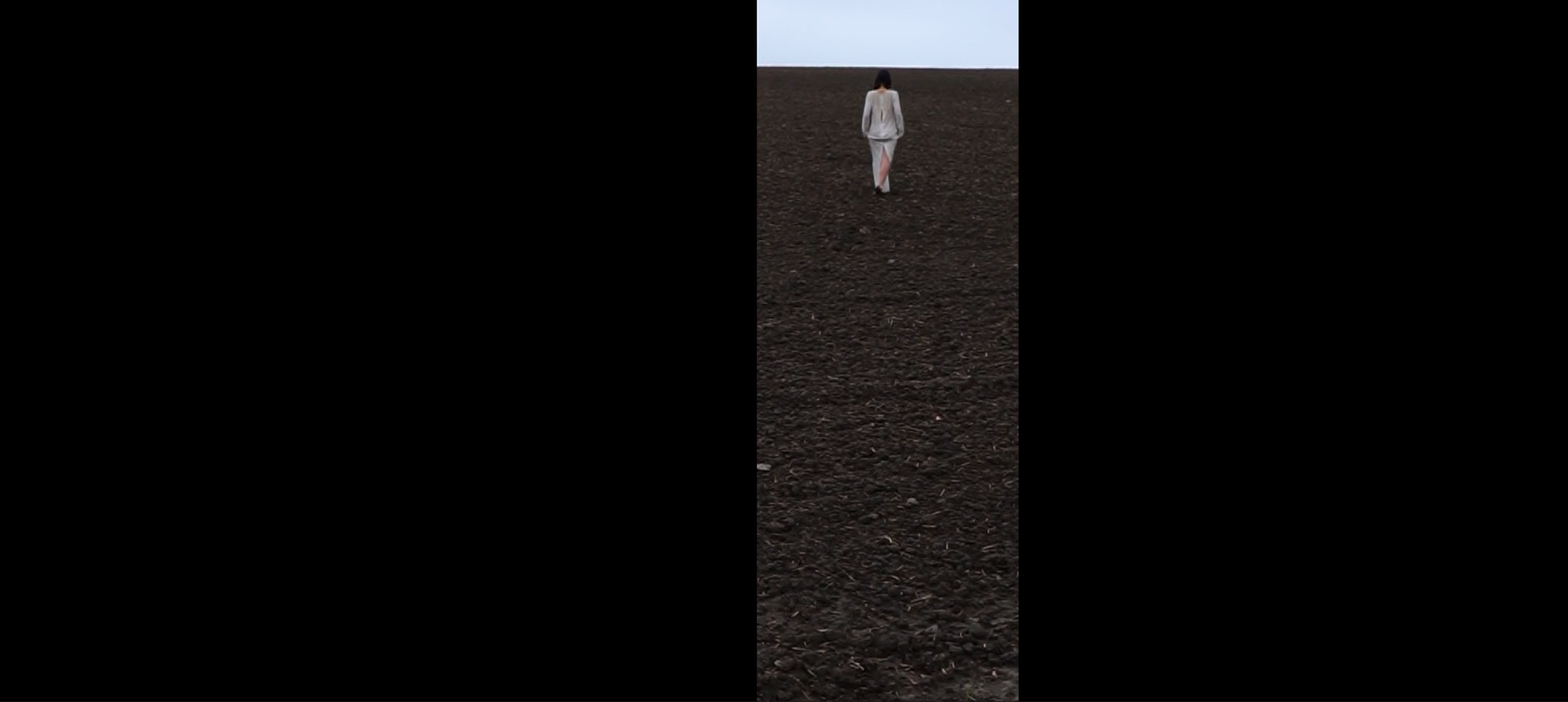
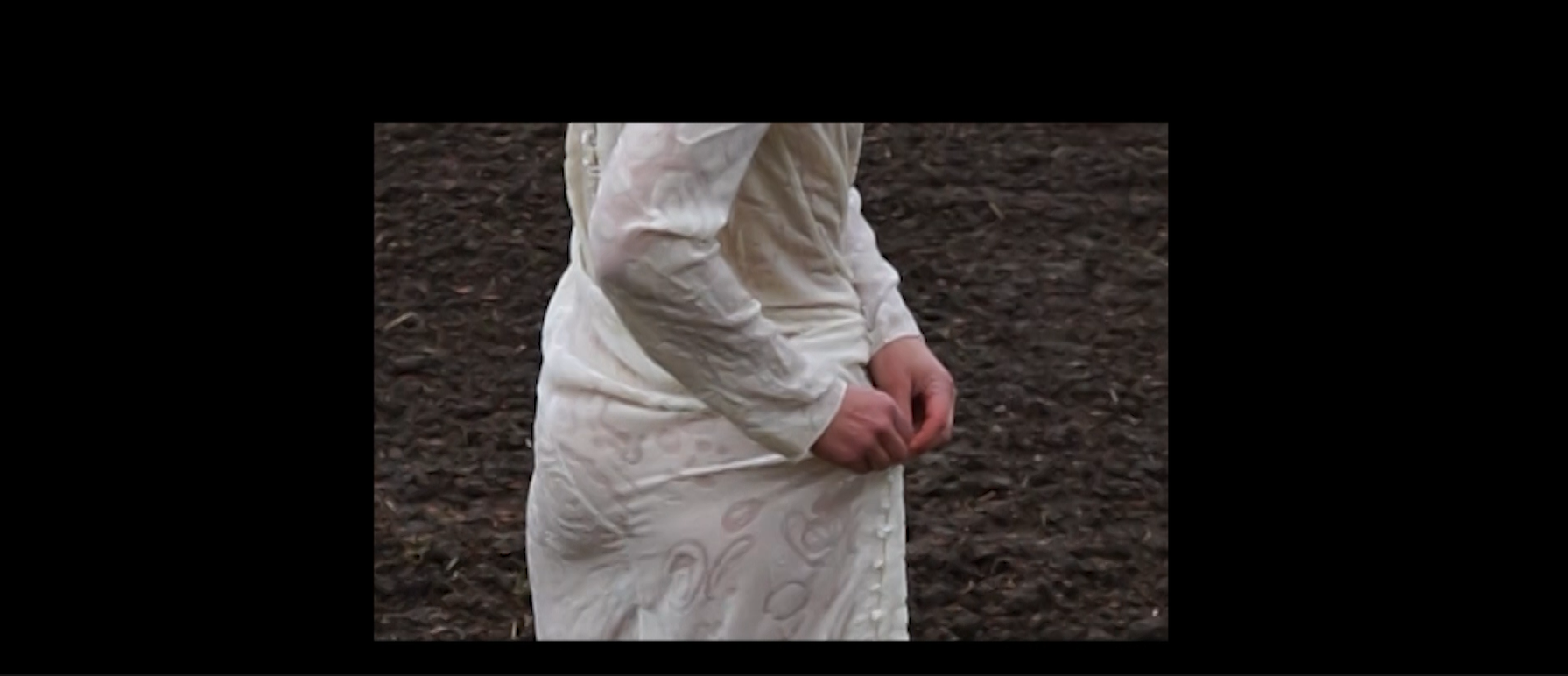
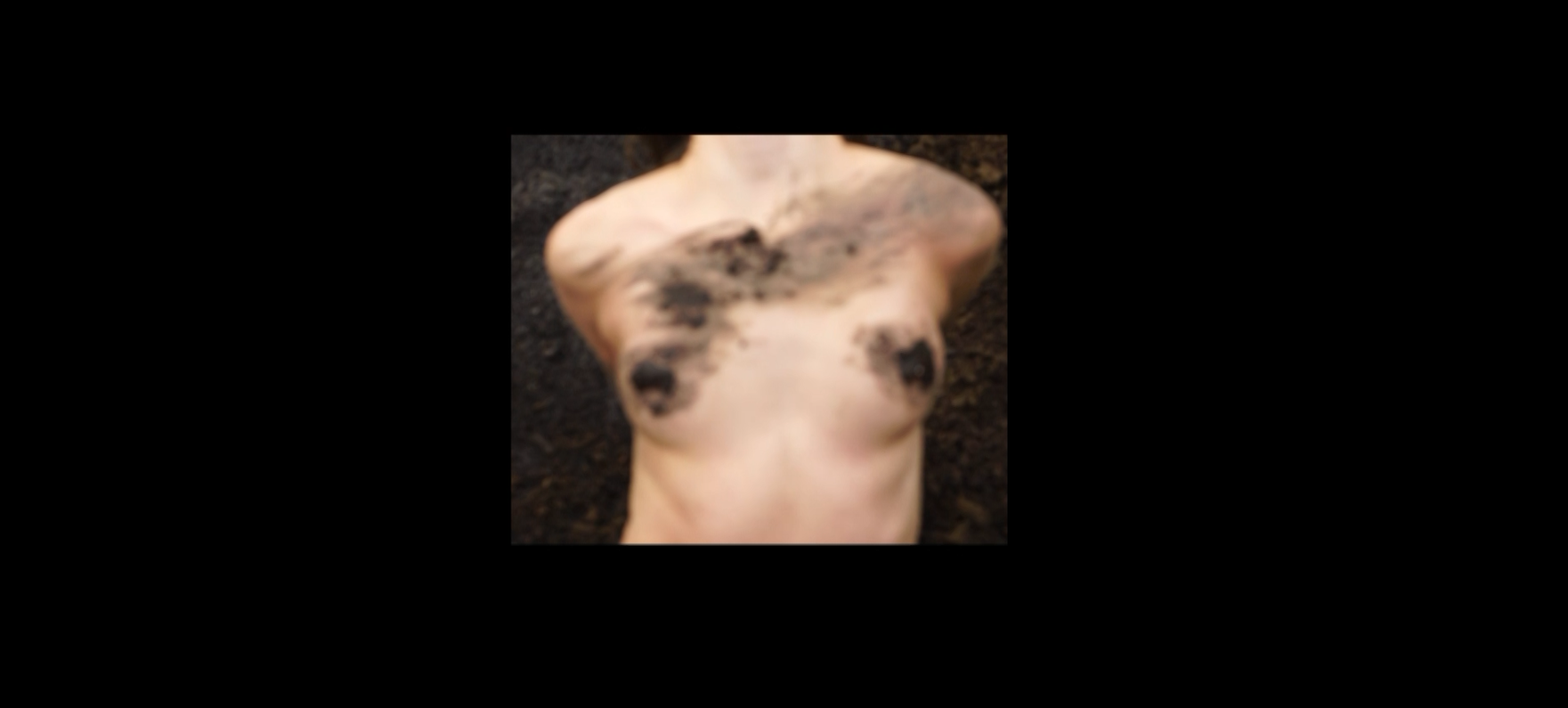
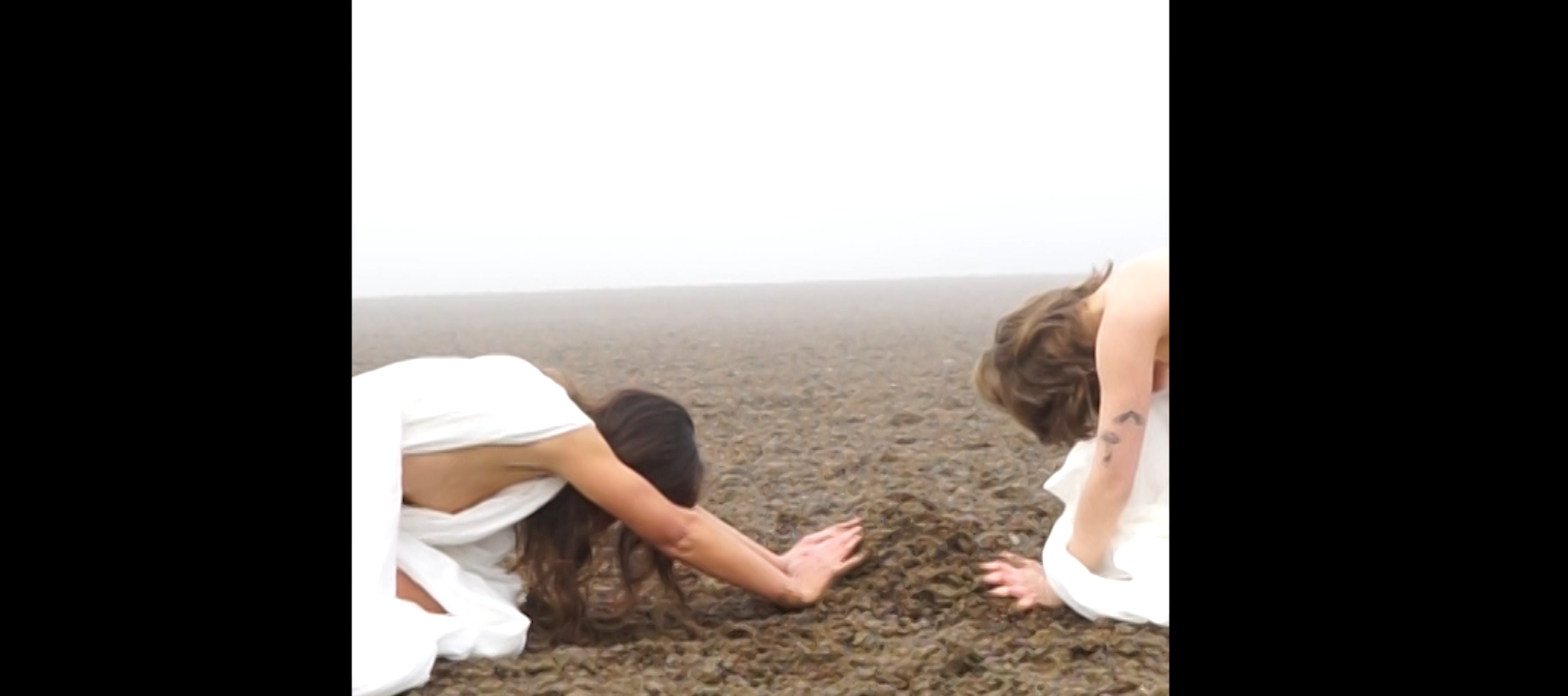
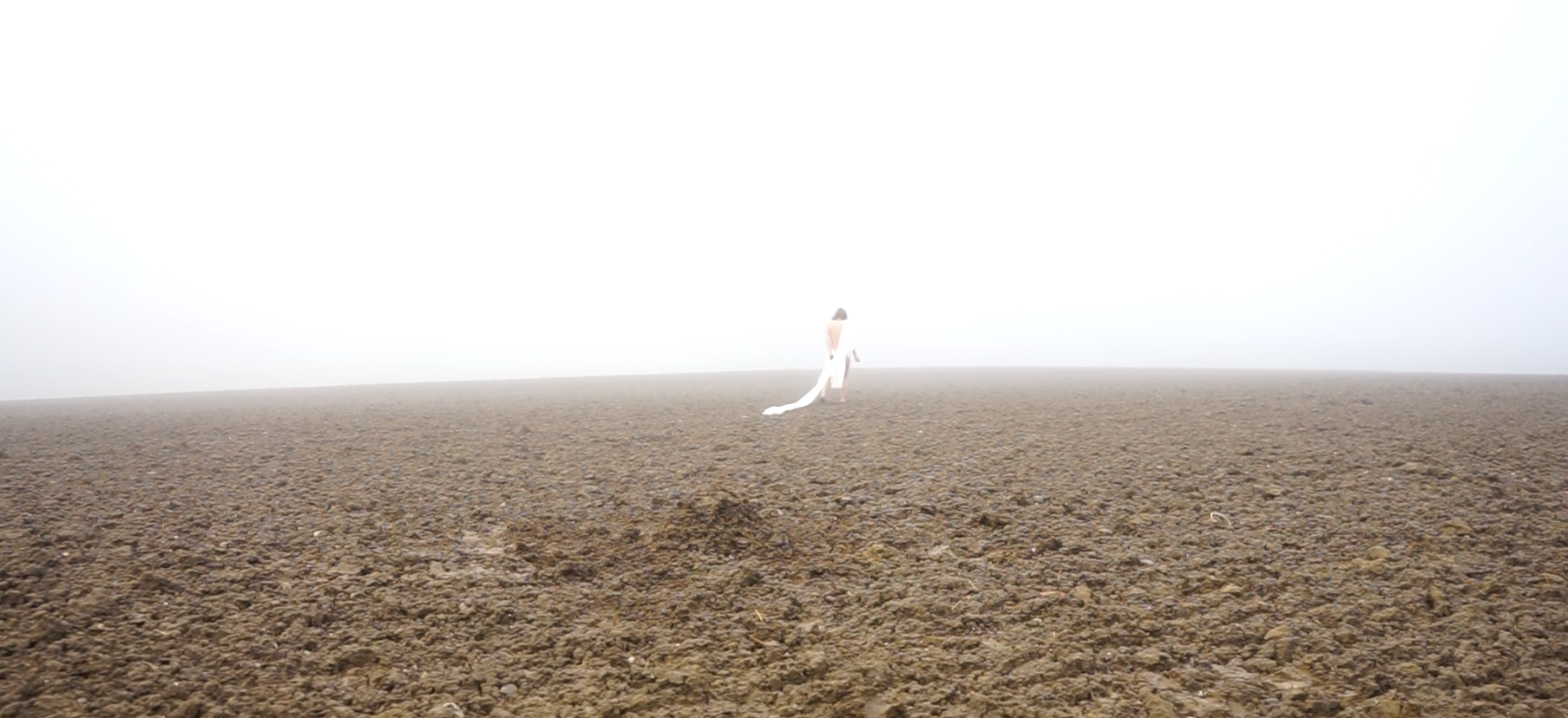
Tender Relics - Isabella Rudzki and Sasha G Kramer, 2025
Digital film
Together, Rudzki and Kramer developed Tender Relics as both a curated selection of existing works and new collaborative pieces formed into an installation that invites close examination. The installation opens with a table of objects—relics created by each artist. Kramer explores the form of the brick in ways that mimic the body, held and protected by steel, resting on skin-like forms. Rudzki shapes bodily forms from clay sourced in Bavaria, preserved with fabric.
The artists filmed a performance in Bavaria at Rudzki’s home, working directly with clay from the village. The film traces a systematic, almost habitual sequence of actions: gestures that appear simple or even futile, yet accumulate meaning through repetition. Present throughout is the holiness of the true body, both as a living sculpture and as a vessel for acts of care, tending to what remains.

Belle Crown, 2024
480mm x 120mm, ca. 250g
925 sterling silver, amethyst, ammonite, black diamond (synt.), citrin, glass, moon stone, obsidian, rock crystal, turmalin
Isabella Rudzki at POSITIONS BERLIN ART WEEK, 2024
„Children believe what we tell them. They have complete faith in us. They believe that a rose plucked from a garden can bring drama to a family.
They believe that the hands of a human beast will smoke when he kills a victim, and that this beast will be shamed when confronted by a young girl.“ - Jean Cocteau, La Belle et La Bête 1946

Teatro Installation at Fashion Positions Berlin, 2024
500cm x 150cm x 150cm
Pillows, cotton voile, antique wood, led lamps
500cm x 150cm x 150cm
Pillows, cotton voile, antique wood, led lamps
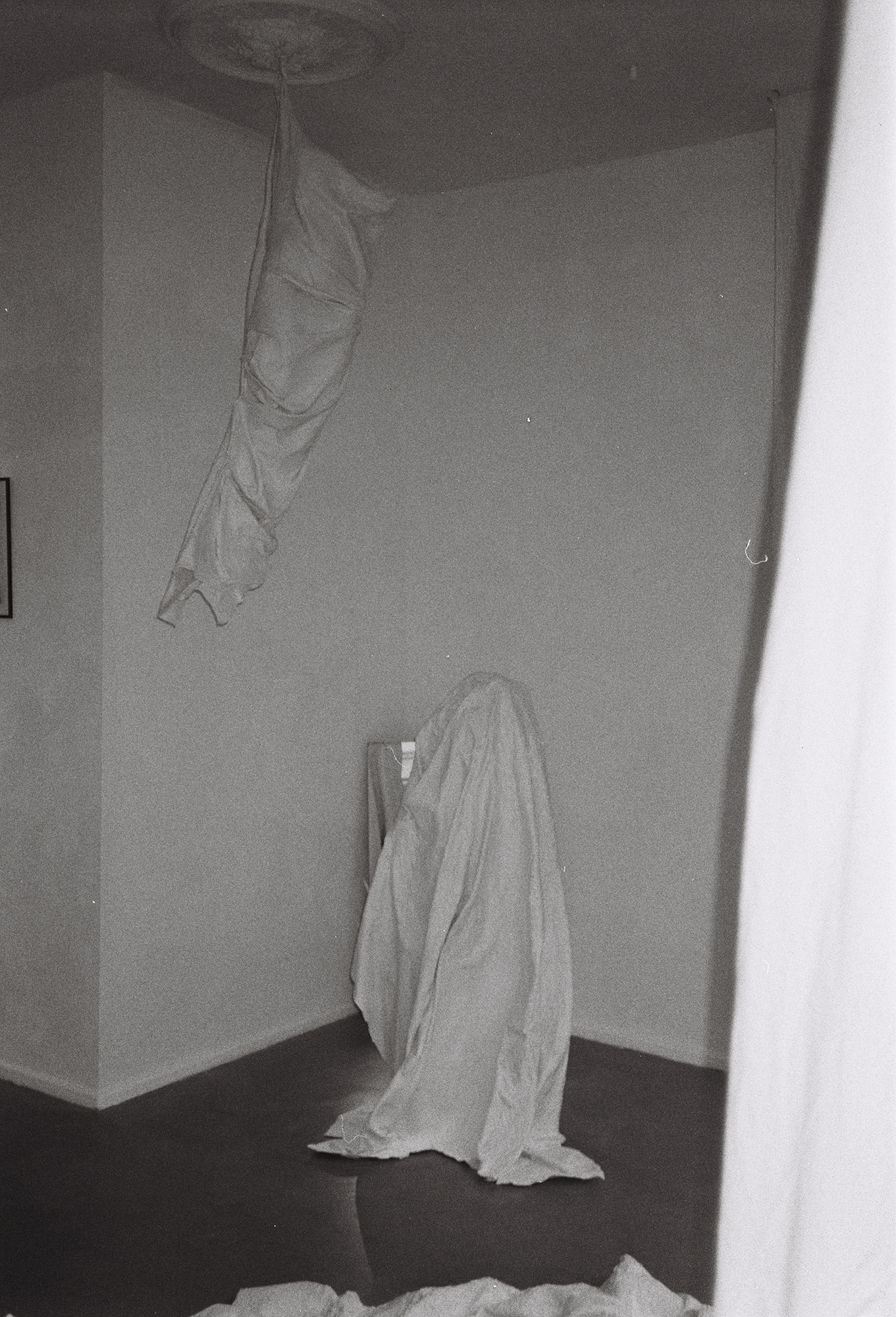
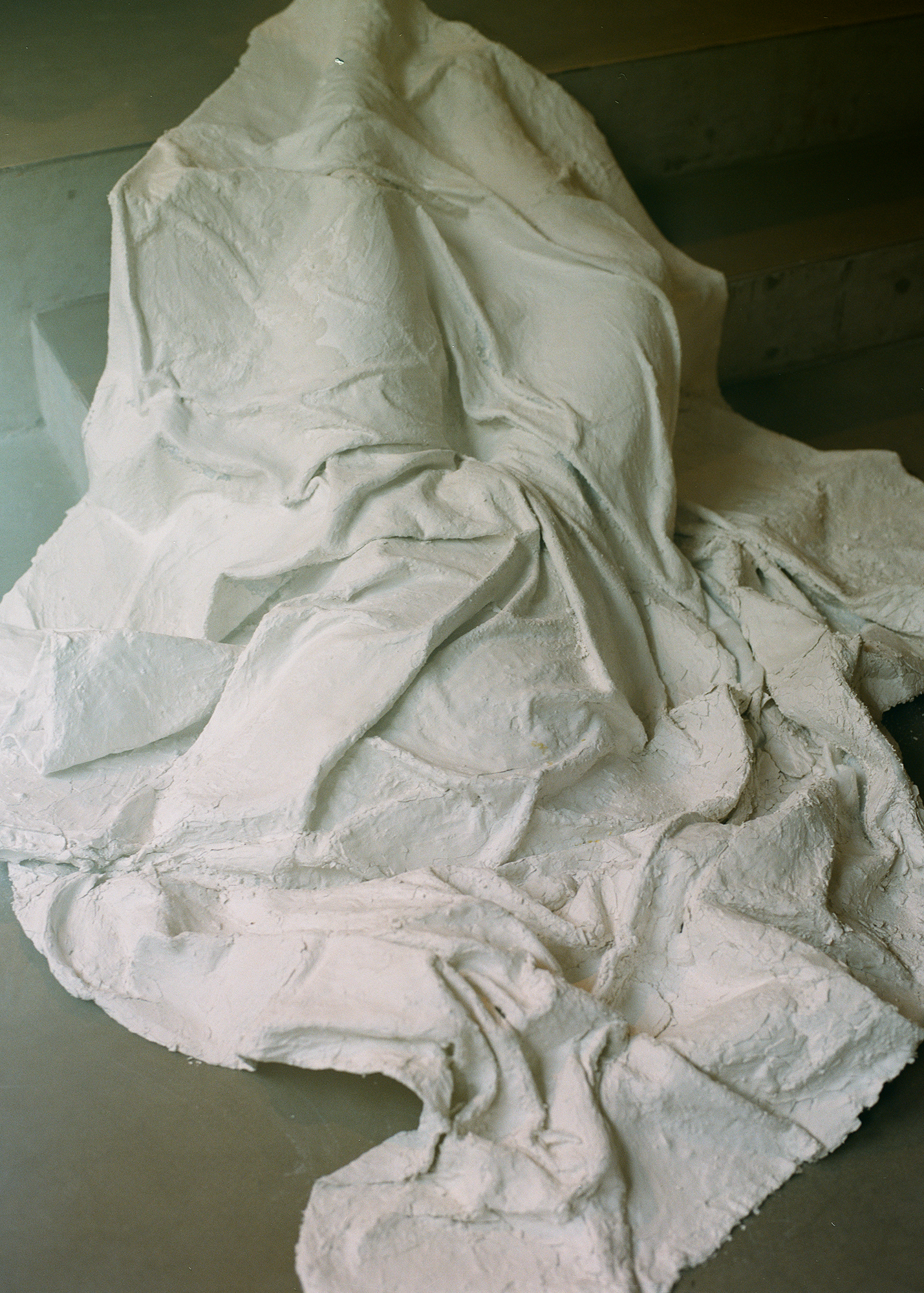
Draped Sculptures, 2022
190cm x 120cm x 40cm
cotton canvas, plaster
A draped landscape of silence, serenity and solitude - creating a white space where time stands still and sacredness can be inhaled. This installation was made for our collection launch 2022 in Berlin.




160cm x 120cm x 80cm
Rattan, paper maché, led lamp
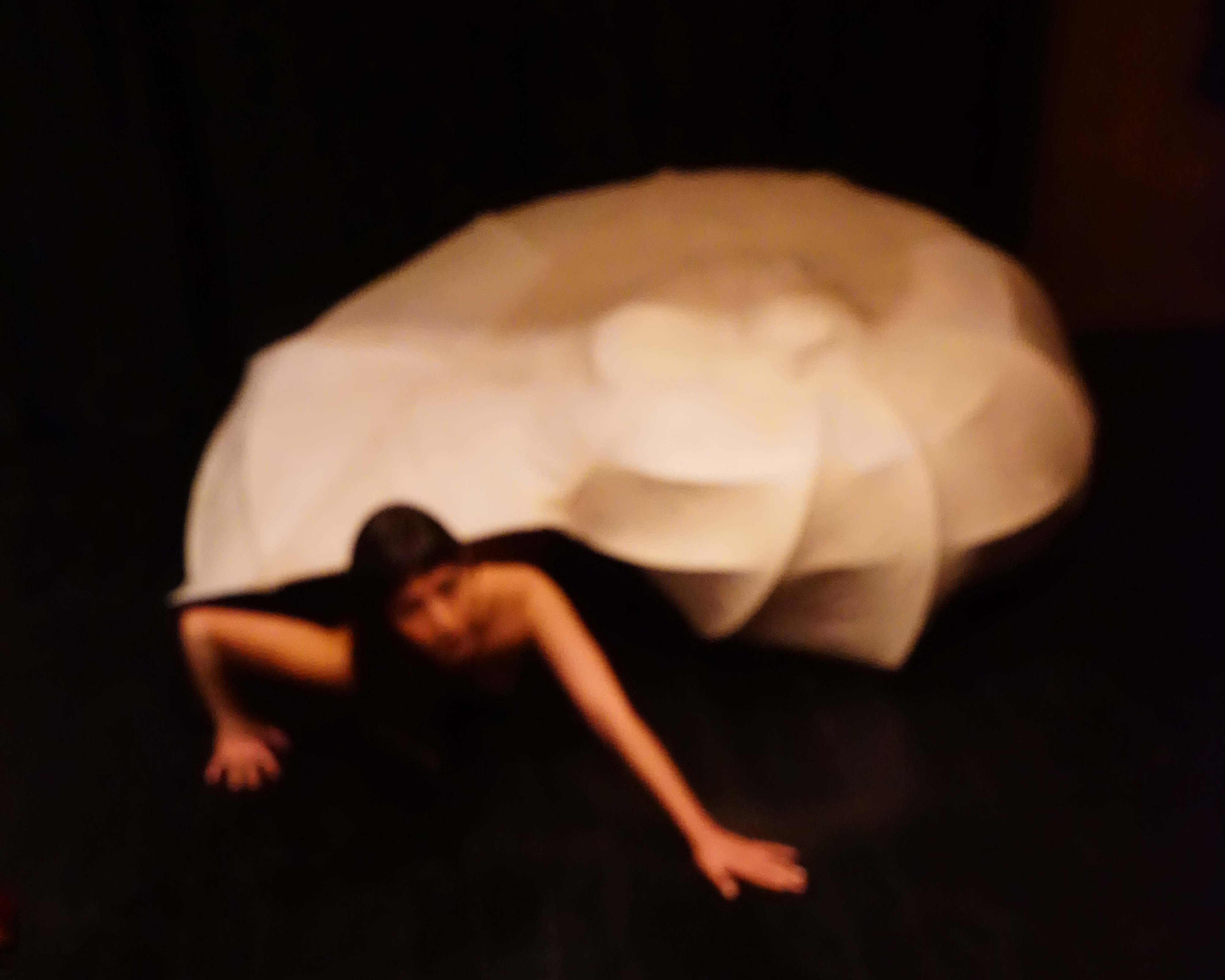
Among the earliest life forms to inhabit Earth, snails have changed little over millions of years. In their quiet persistence, they seem to carry the memory of the planet itself. Long after us, they may continue their slow passage through time—much like the ammonites whose spiral forms remain as fossils of vanished worlds.
Within the seemingly modest space of a shell lies an endless process of growth: a structure that expands gradually, teaching reciprocal ways of building and inhabiting space. Interpreted in rattan and papier-mâché, the Ammonite sculpture became the center of a live performance presented during Mexico City Art Week 2023.
The work reflects on transformation across a lifetime. It traces the bonds and frictions that shape us—forces that pull bodies and spirits together, forging connections not only with others, but also within ourselves.
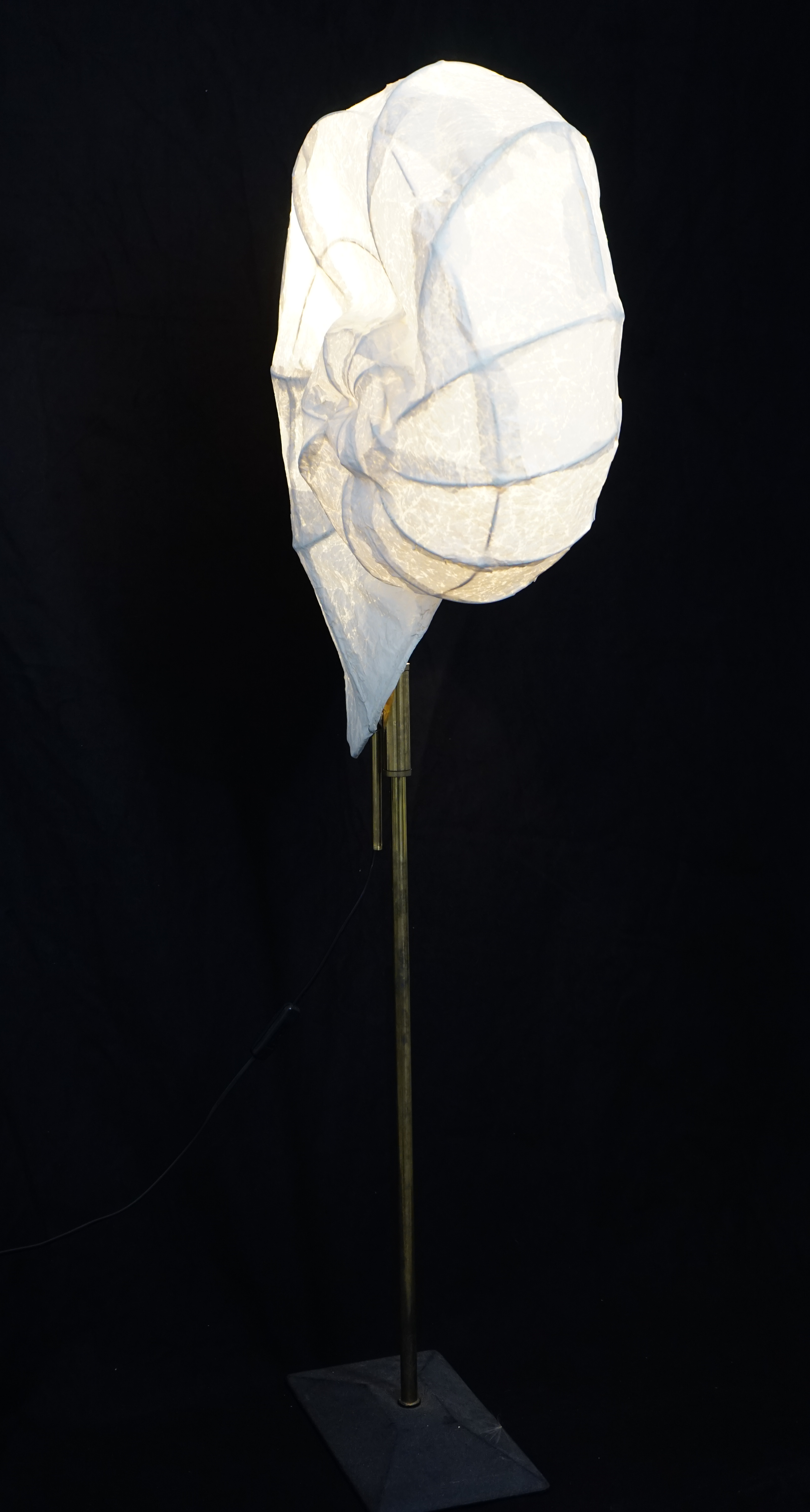
Ammonite Lamp, 2023
70cm x 49cm x 29cm
Rattan, paper maché, led lamp
Anoigma Performance at Galerie Esthete, 2023
DIRECTION & PRODUCTION: ISABELLA RUDZKI
PERFORMERS: MAR & BARUK

Anoigma Performance at Galerie Esthete, 2023
PHOTO: MAR CASTAÑEDO
PERFORMERS: COLETTI & ROMINA
Isabella Rudzki at CDMX ART WEEK 2023
A body of art, like any body formed by nature, can neither be traced to its first beginnings nor could it ever be finished. The performance piece was an attempt to explore human desire and fascination for the beauty of natural growth that creates all vibrance between birth, decay and beyond.
The performance was created for our pop-up event at Galerie Esthete and first took place in December 2022 in their showroom in Mexico City.

Ammonite Performance at Galerie Esthete, 2023
DIRECTION & PRODUCTION: ISABELLA RUDZKI
PERFORMERS: SIERVA M., COLETTI, MÓNICA COLIN.


El Árbol Performance at Delab Mexico City, 2023
DIRECTION & PRODUCTION: ISABELLA RUDZKI
PERFORMERS: ROMINA & MAR CASTAÑEDO
PHOTO: ALINA CHERUBIN
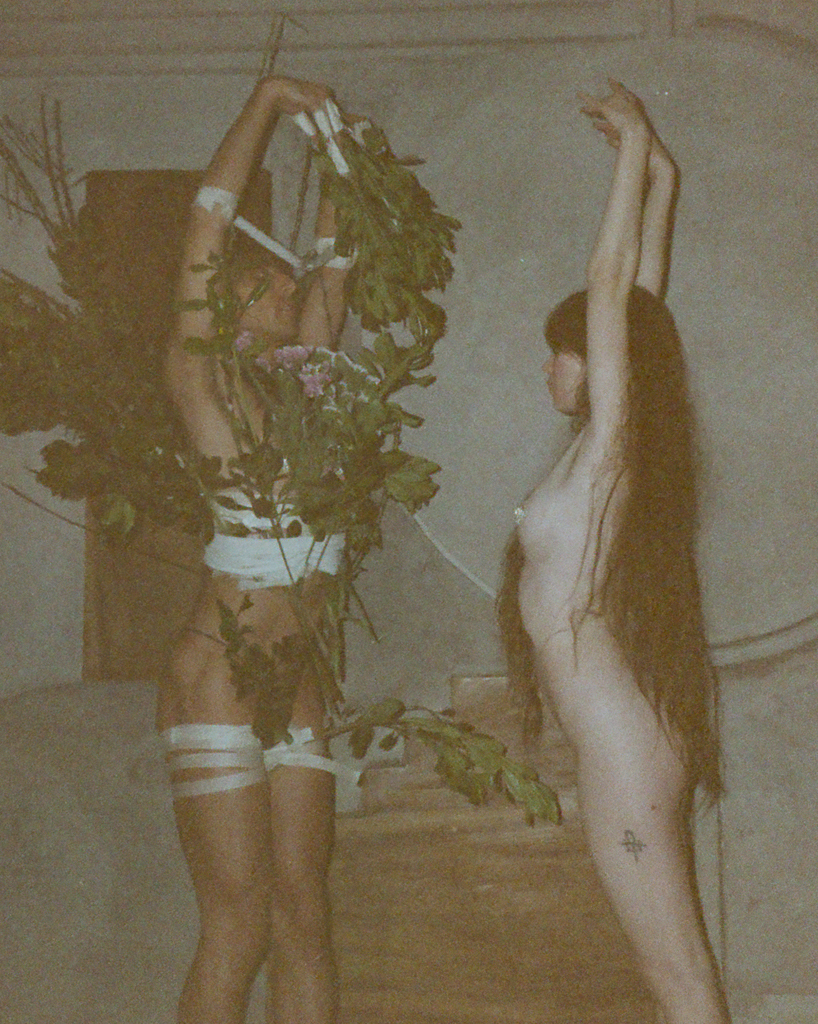
El Árbol Performance at Delab Mexico City, 2023
The piece is about a forest spirit that encounters the fragility of nature. In an impulsive interaction with a tree spirit, it learns not to possess immovable beauty and to treat it with compassion.